Omica

Digital Wellness Engagement Platform

Production-scale health product that converts user health data into personalized weekly plans, daily actions, and measurable behavior outcomes.

My role: Flutter Developer, Product Architect, and UX Implementer

Production-Oriented Delivery

Omica mobile health platform thumbnail

Portfolio-Ready Product Description

I led the development of Omica as a full digital wellness platform, not just a standalone mobile app. The product is built around a complete engagement loop: onboarding, secure sign-in, health profiling, data source connection, weekly recommendations, daily task completion, points earning, and reward redemption through partner offers.

It combines behavior design with scalable engineering so users can build healthier routines over time while the platform remains maintainable as features grow.

Core Goal

Turn health data into actionable habits and sustained weekly progress.

Engagement Loop

Plan, execute, track, reward, and re-engage in one continuous cycle.

Platform Scale

User app plus worker/admin operations on shared backend services.

Product Walkthrough

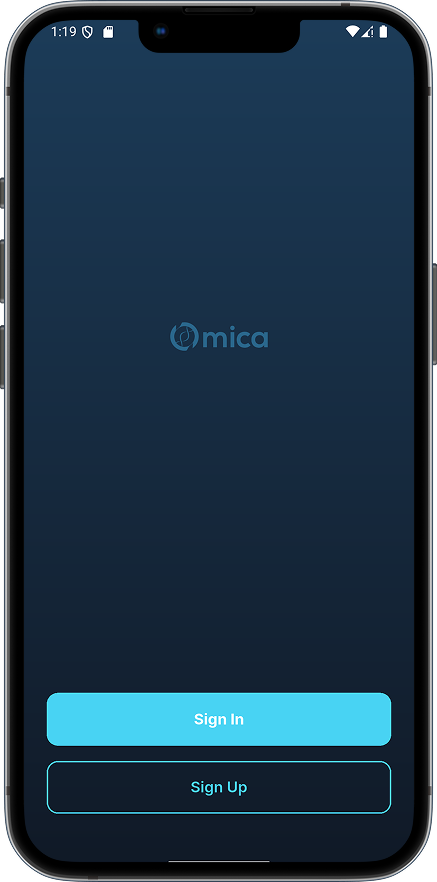
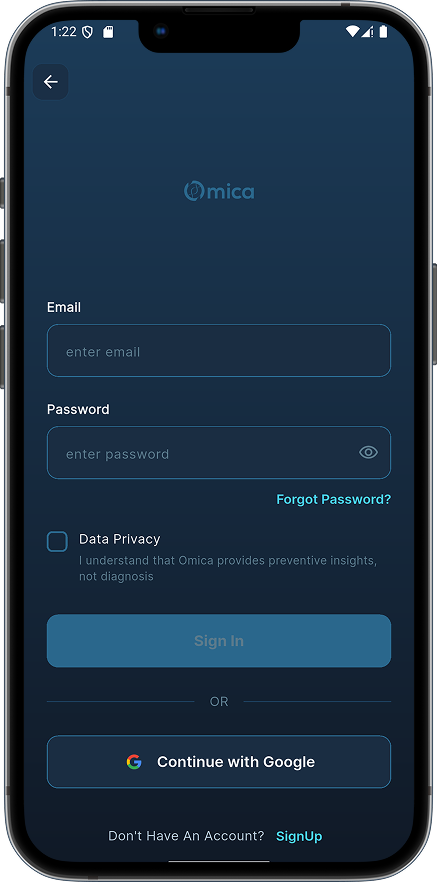
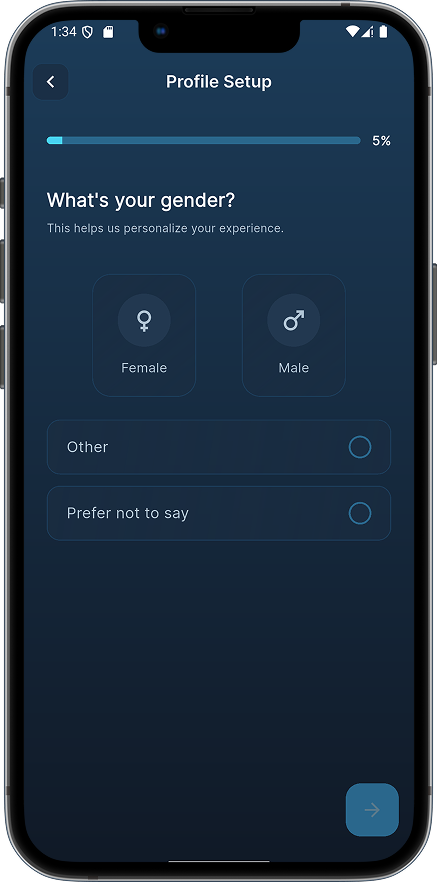
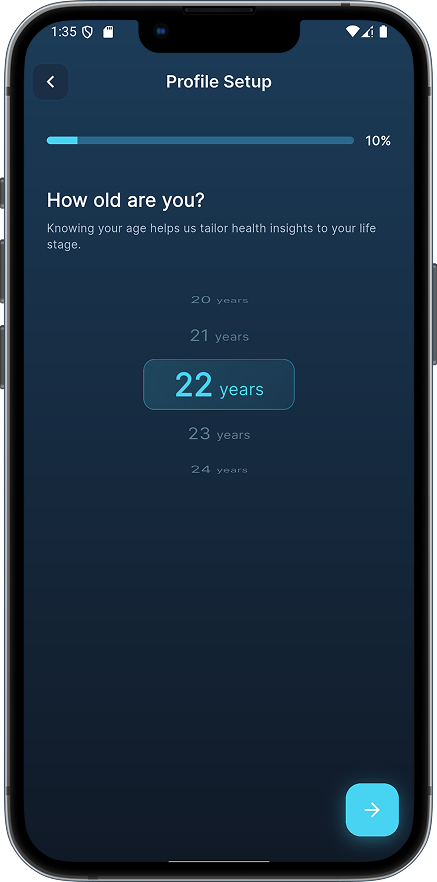
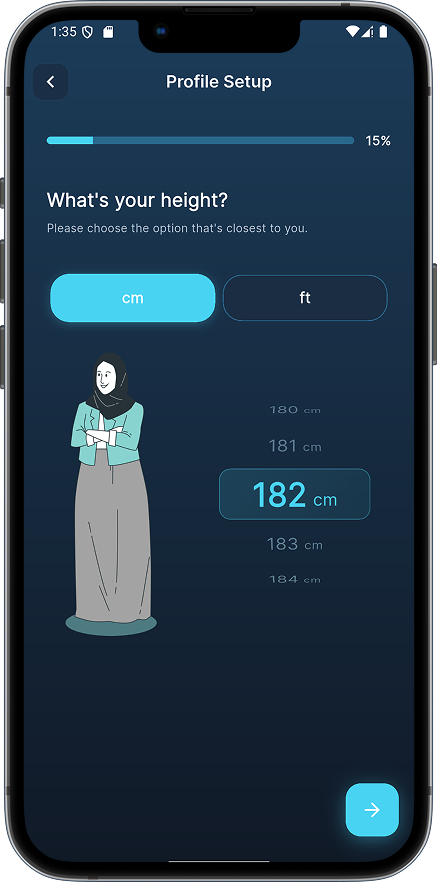
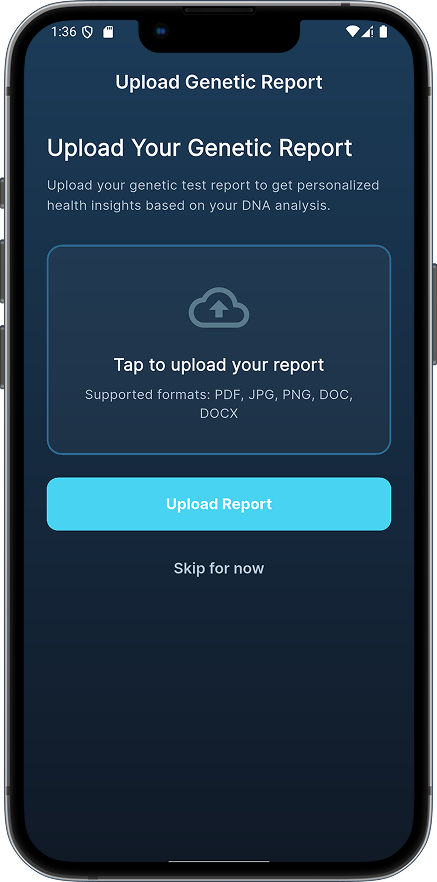
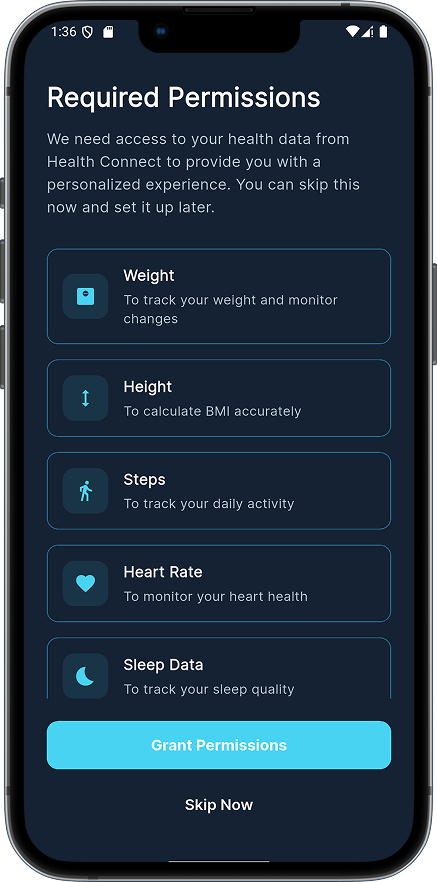
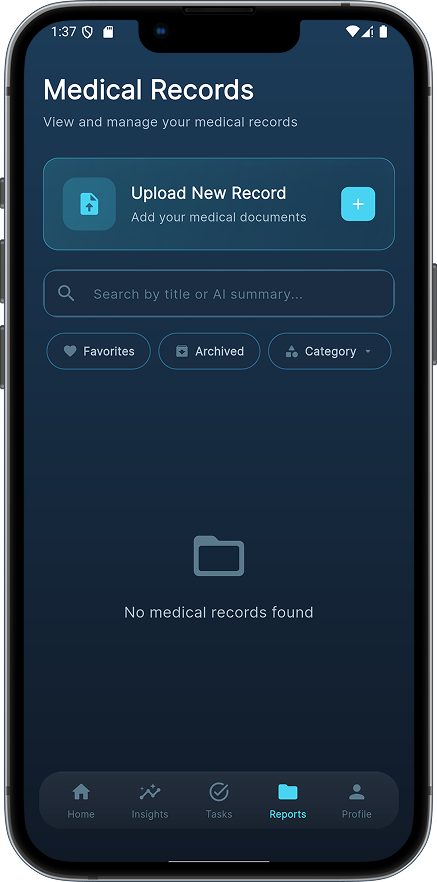
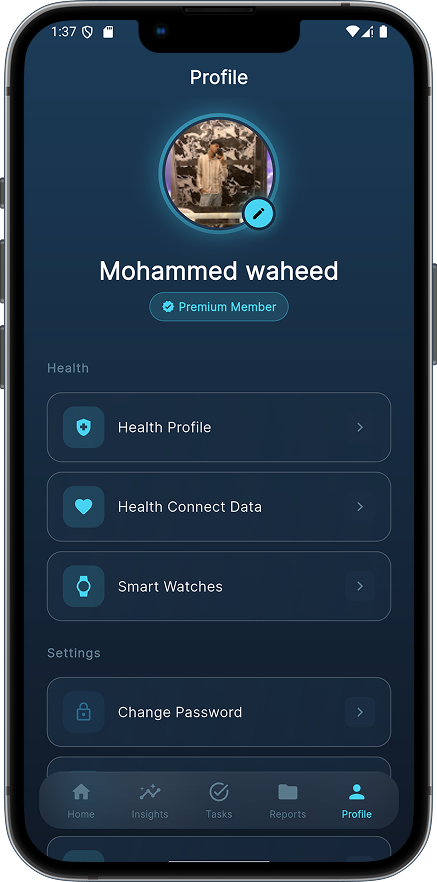
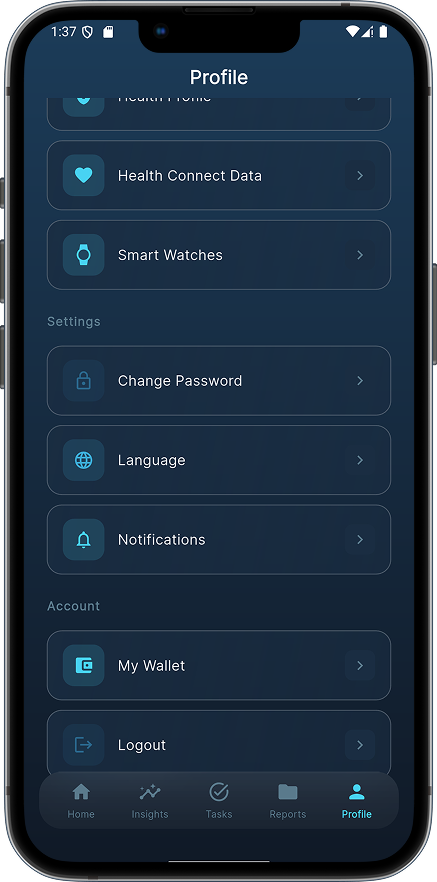
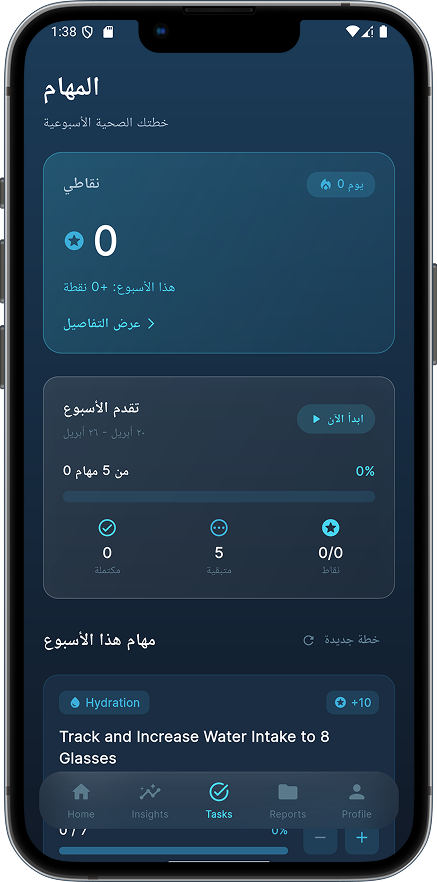
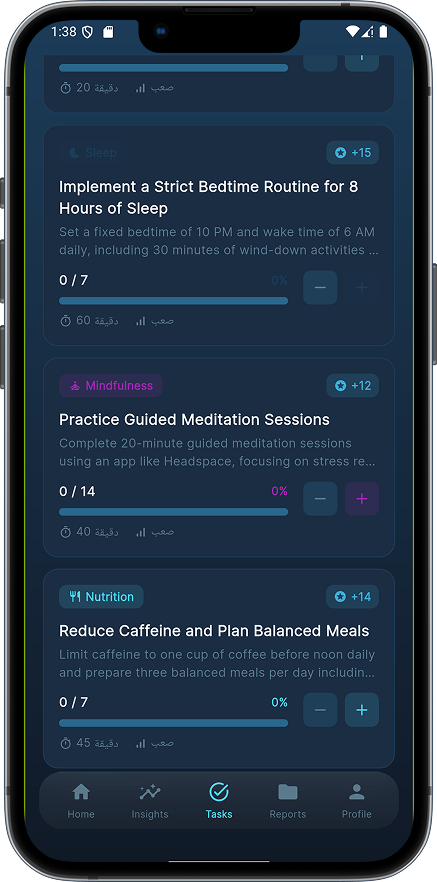
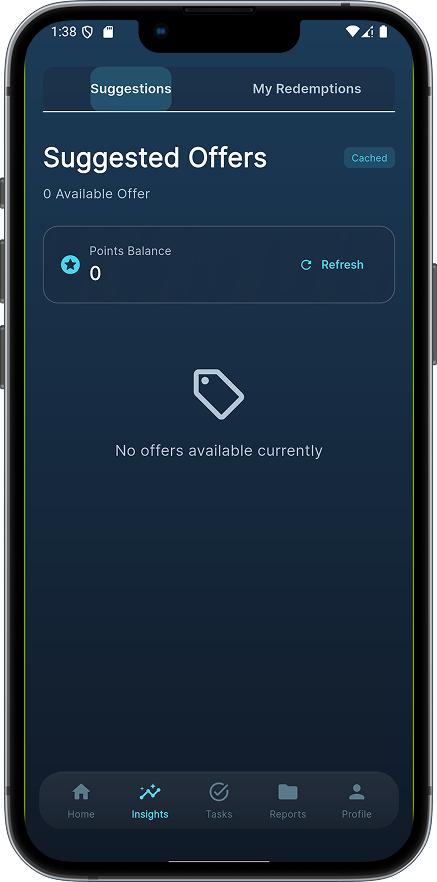
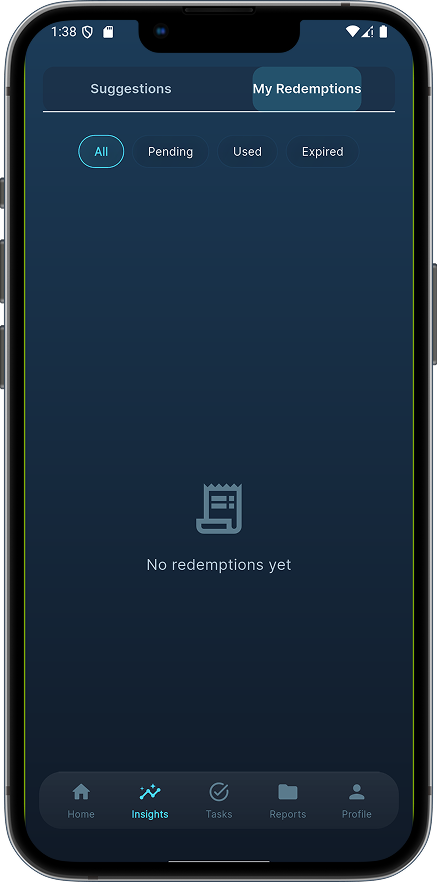
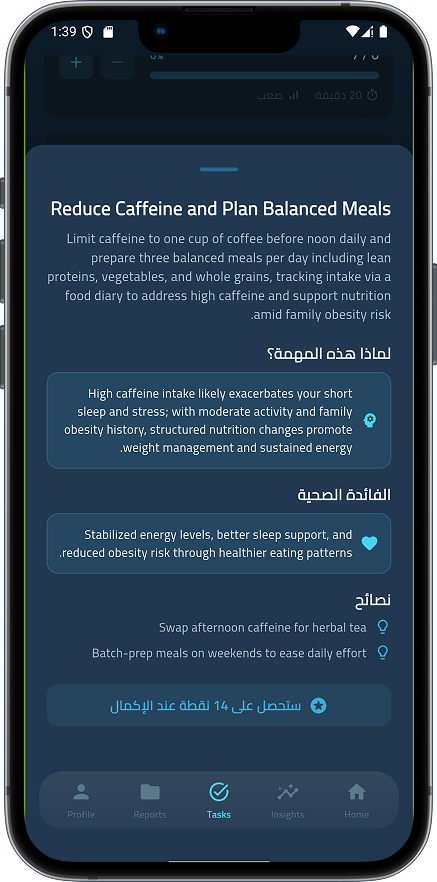
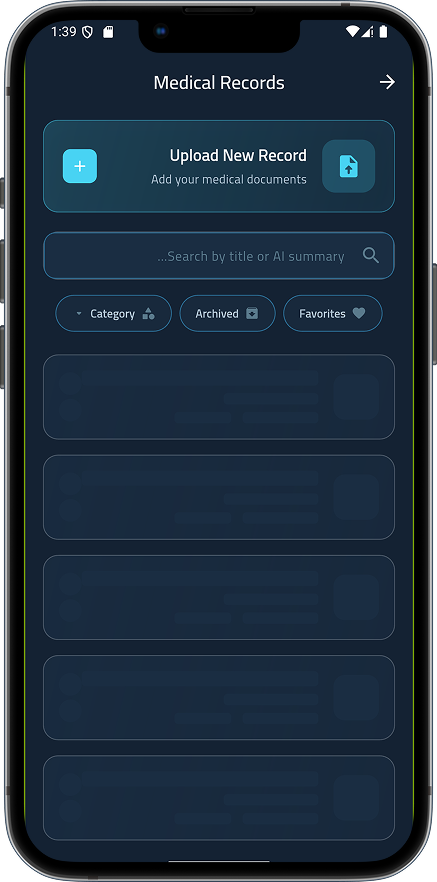
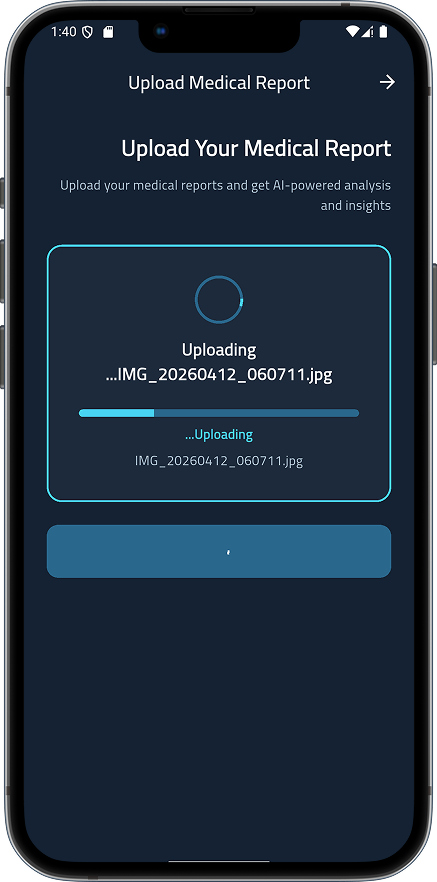
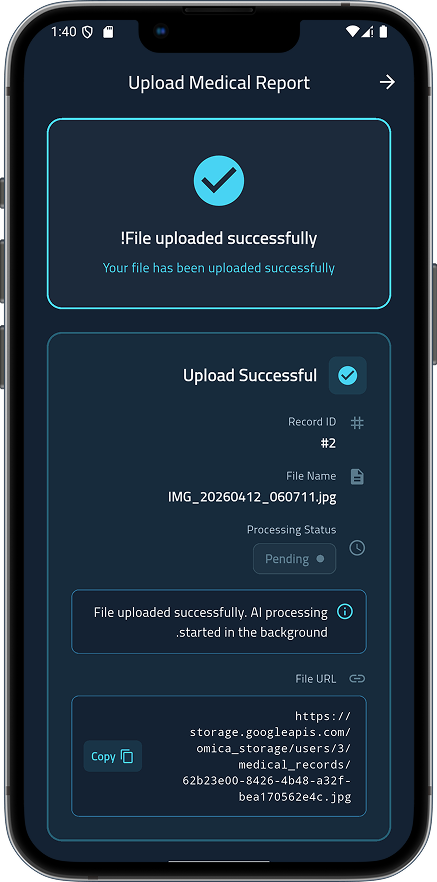
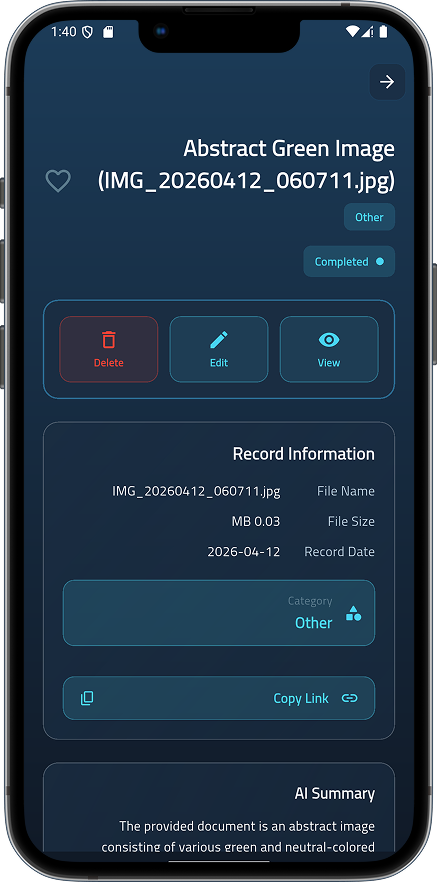
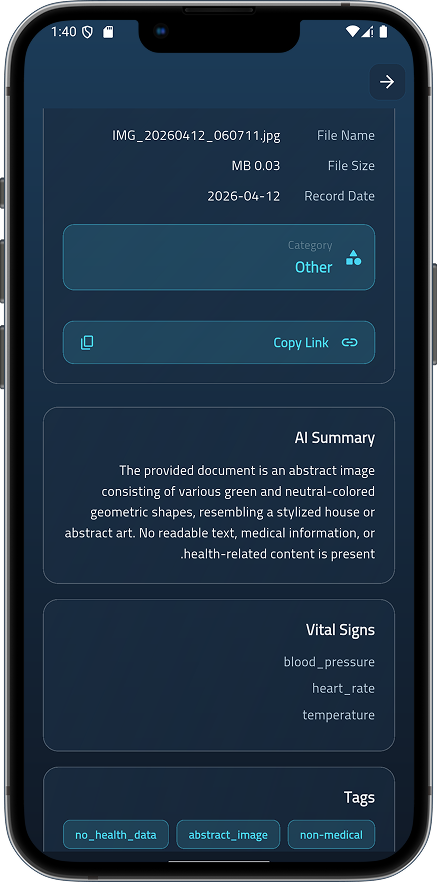
Screens from the Omica user journey, from onboarding and auth to insights, tasks, and profile-driven health actions.

Case Study Deep Dive

Product Vision UX Direction Implementation Ecosystem Challenges Outcome

The idea started from a common gap in health products: users receive information, but rarely maintain action over time. Omica was designed to solve this by building a behavior-change system, not just a content app.

  • Convert user data into clear weekly actions.
  • Keep engagement high with streaks, progress feedback, and points.
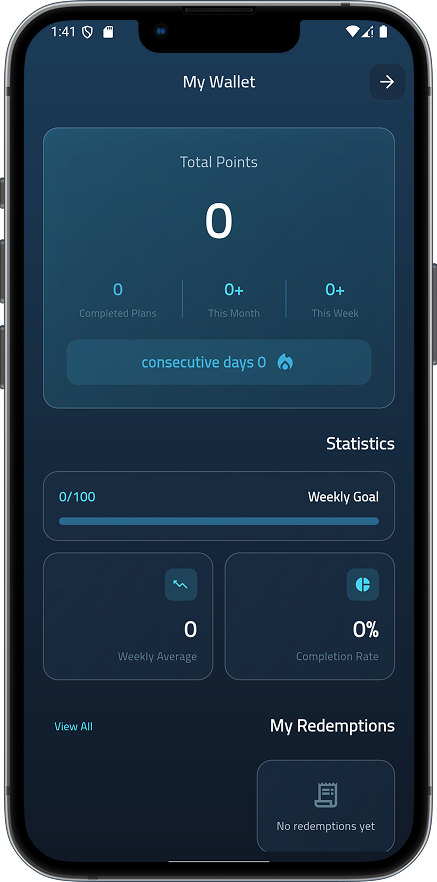
  • Make outcomes visible through insights and wallet history.
  • Deliver practical value through partner redemptions and health records.

  • Guided multi-step onboarding and health profiling with low-friction input flow.
  • Tab-first information architecture for home, insights, tasks, reports, and profile.
  • Optimistic UI updates for immediate feedback when users complete actions.
  • Status-aware screens and pull-to-refresh patterns for reliability.
  • Bilingual experience (English/Arabic) with full RTL/LTR support.
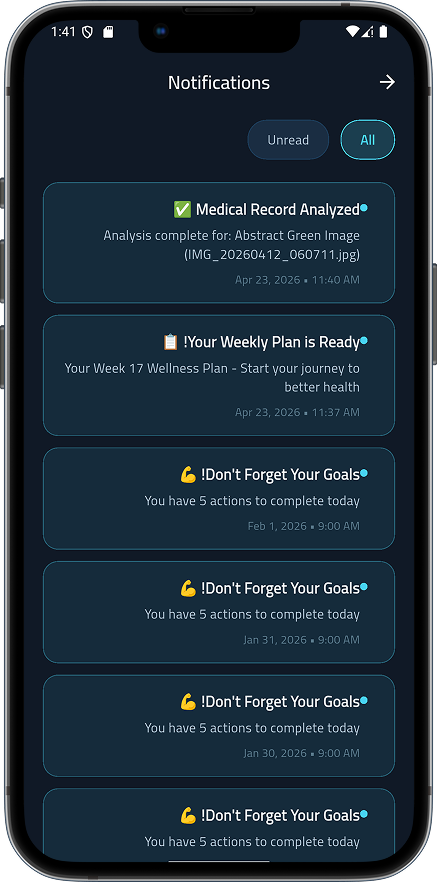
  • Notification center with clear read/unread state behavior.

  • Architected a modular Flutter codebase using BLoC, GetIt, and clean-architecture-inspired feature boundaries.
  • Built secure authentication with Firebase plus backend verification, token lifecycle, and session recovery.
  • Integrated push notifications with FCM device token registration and in-app handling.
  • Implemented health and wearable integration flows, including Fitbit OAuth and health sync handling.
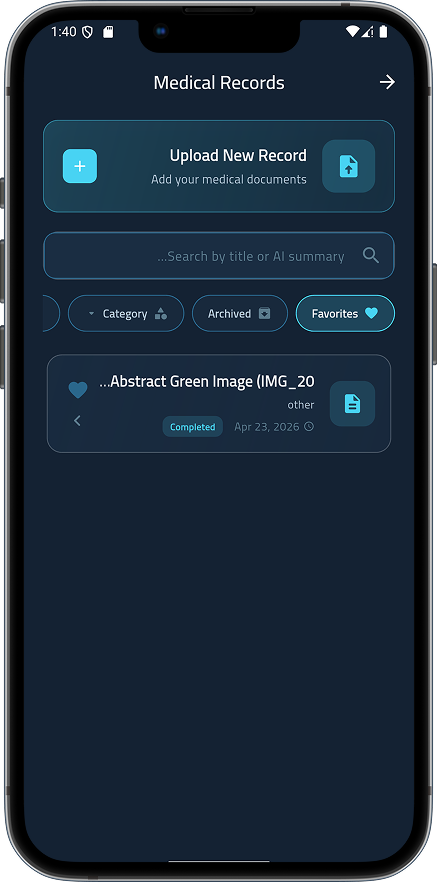
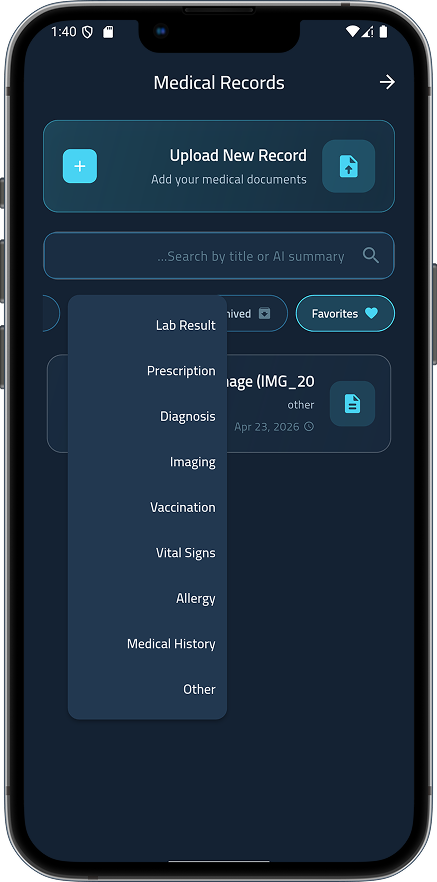
  • Delivered medical report upload/view journeys for user health records.
  • Implemented runtime language switching with persistent language preferences.
  • Built robust API communication with Dio interceptors for auth, connectivity, and normalized errors.
  • Improved performance with segmented BLoCs, optimistic state updates, and persistent shell behavior.

The product flow is designed to minimize friction while keeping business rules strict and predictable.

  • App startup initializes dependency injection, language preference, token readiness, and notifications before UI flow begins.
  • Splash executes session verification with Firebase, token refresh, secure storage update, and backend confirmation.
  • Authenticated users are routed directly to home for fast return journeys.
  • Unauthenticated users are routed to welcome, then login/signup entry points.
  • Post-login path checks onboarding and health profile completion to decide onboarding versus home routing.
  • Main product usage runs inside persistent tab shell (home, insights, tasks, reports, profile).

  • Smart auto-login: splash handles session work silently so returning users skip repeated auth friction.
  • Graceful fallback behavior: if token/profile checks fail, routing still lands users safely instead of blocking flow.
  • State-preserving tab navigation: indexed stack shell keeps each tab state when switching contexts.
  • Adaptive onboarding progression: step actions stay disabled until data is valid, reducing form errors.
  • Micro-transition strategy: lightweight fades/slides improve navigation clarity without heavy animation cost.
  • Localization quality: runtime locale rebuild with RTL/LTR direction support for consistent bilingual usability.
  • Responsive scaling: ScreenUtil-based sizing keeps typography and spacing stable across devices.
  • Visual system consistency: shared scaffold gradients and status/navigation bar behavior unify the experience.

Omica is positioned as a multi-application ecosystem, not a single-client product.

  • User App: onboarding, wellness plans, task completion, rewards, and health records.
  • Worker App: operational task intake, status progression, and real-time process execution.
  • Admin App: assignment governance, user/task oversight, reporting, and system-wide visibility.
  • Backend: source of truth for auth, authorization, notifications, state management, and integrations.

  • Complex integration surface: solved with feature modules, centralized API layer, and dependency injection.
  • Session consistency across providers: solved with two-step auth verification and secure token lifecycle handling.
  • Permission/connectivity volatility: solved with explicit permission orchestration, connectivity-aware interceptors, and graceful fallbacks.
  • Scalability pressure: solved with domain-oriented structure, reusable blocs/services, and clear routing/state boundaries.

  • Personalized weekly action plans tied to user behavior and health context.
  • Daily task completion tracking, progress visibility, and long-term engagement loops.
  • Points wallet and partner redemption mechanics for sustained motivation.
  • Medical records management and health-data synchronization workflows.
  • Notification-driven re-engagement and bilingual regional UX execution.
  • Strong demonstration of full-cycle product capability: ideation, UX, architecture, integration, and delivery.

Quick Details

  • Role: Flutter Developer + Product Architect + UX Implementer
  • Project Type: Digital Wellness Platform
  • Architecture: Feature Modules + BLoC + GetIt
  • Tech: Flutter, Dio, Firebase Auth, FCM, Fitbit OAuth
  • Localization: EN/AR with RTL/LTR support
  • Focus: Behavior change, plans, rewards, and health records

Professional Positioning

  • Built a production-oriented wellness platform that connects product strategy and technical execution.
  • Implemented full engagement loops that increase consistency and retention through measurable actions.
  • Delivered a scalable foundation for user, worker, and admin applications under one ecosystem.
  • Balanced reliability and growth with modular architecture and integration-safe boundaries.

Core Features Delivered

  • Secure onboarding and authentication lifecycle
  • Personalized weekly recommendations engine
  • Task tracking with completion behavior analytics
  • Points wallet and partner redemption flow
  • Medical report upload and viewing pipeline
  • Notifications and re-engagement workflow
FlutterDartBLoCGetItDio Firebase AuthFCMFitbit OAuthHealth Sync Medical RecordsBehavior ChangeWeekly Plans Points WalletRewardsEN/ARRTL Modular ArchitectureScalable Mobile App